
There are several methods for Bluetooth to implement positioning functions:
- RSSI positioning: Use the signal strength indication (RSSI) between Bluetooth devices to determine the location of the device. By measuring the signal strength between Bluetooth devices, the distance between the device and the reference point can be estimated, and the location of the device can be calculated by estimating the distance of multiple reference points.

- Bluetooth beacon positioning: Place a Bluetooth beacon at a specific location, and then determine the location of the device by scanning the surrounding Bluetooth beacons. The device can determine the distance between itself and each beacon by measuring the signal strength between different beacons, and calculate the location of the device by estimating the distance of multiple beacons.
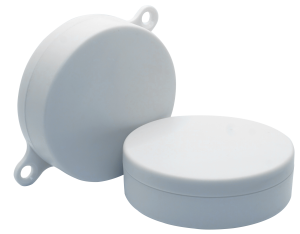
- Bluetooth triangulation positioning: Use three or more Bluetooth beacons to form a triangle in space, and then determine the location of the device by measuring the distance between the device and each beacon. The device can determine the distance between itself and each beacon by measuring the signal strength between different beacons, and use triangulation to calculate the location of the device.


- Bluetooth fingerprint positioning: Collect a series of Bluetooth beacon signal strength fingerprints in advance and establish a fingerprint database. Then, the device’s location is determined by scanning the surrounding Bluetooth beacons and matching their signal strengths with the fingerprints in the database.
It should be noted that the accuracy of Bluetooth positioning is affected by many factors, including the signal propagation environment, the placement of the device, signal interference, etc. Therefore, in practical applications, the Bluetooth positioning system needs to be calibrated and optimized to improve the accuracy of positioning.


